The first sound on a proper Lapland morning is often not silence. It is the excited chorus of huskies, the soft crunch of boots on snow, or a reindeer moving calmly through a white forest. Rovaniemi winter wildlife tours are not about ticking off animals from behind a coach window. At their best, they put you close to the Arctic landscape and the people, animals and traditions that belong to it.
For a short winter break, Rovaniemi is an outstanding base. You can meet huskies, take a reindeer safari, visit Arctic animals at Ranua, try ice fishing on a frozen lake and still leave time to hunt for the Northern Lights. The choice can feel overwhelming, especially when every photo looks magical. The trick is to choose experiences that match the kind of memory you want to bring home.
What wildlife means in Rovaniemi in winter
Wildlife in Finnish Lapland is different from a classic safari. Winter animals are superbly adapted to the cold and, in the wild, often difficult to spot. The forest can look empty even when it is full of life. Elk, foxes, hares, wolverines and birds such as the great grey owl live here, but a spontaneous sighting is never something a responsible guide should promise.
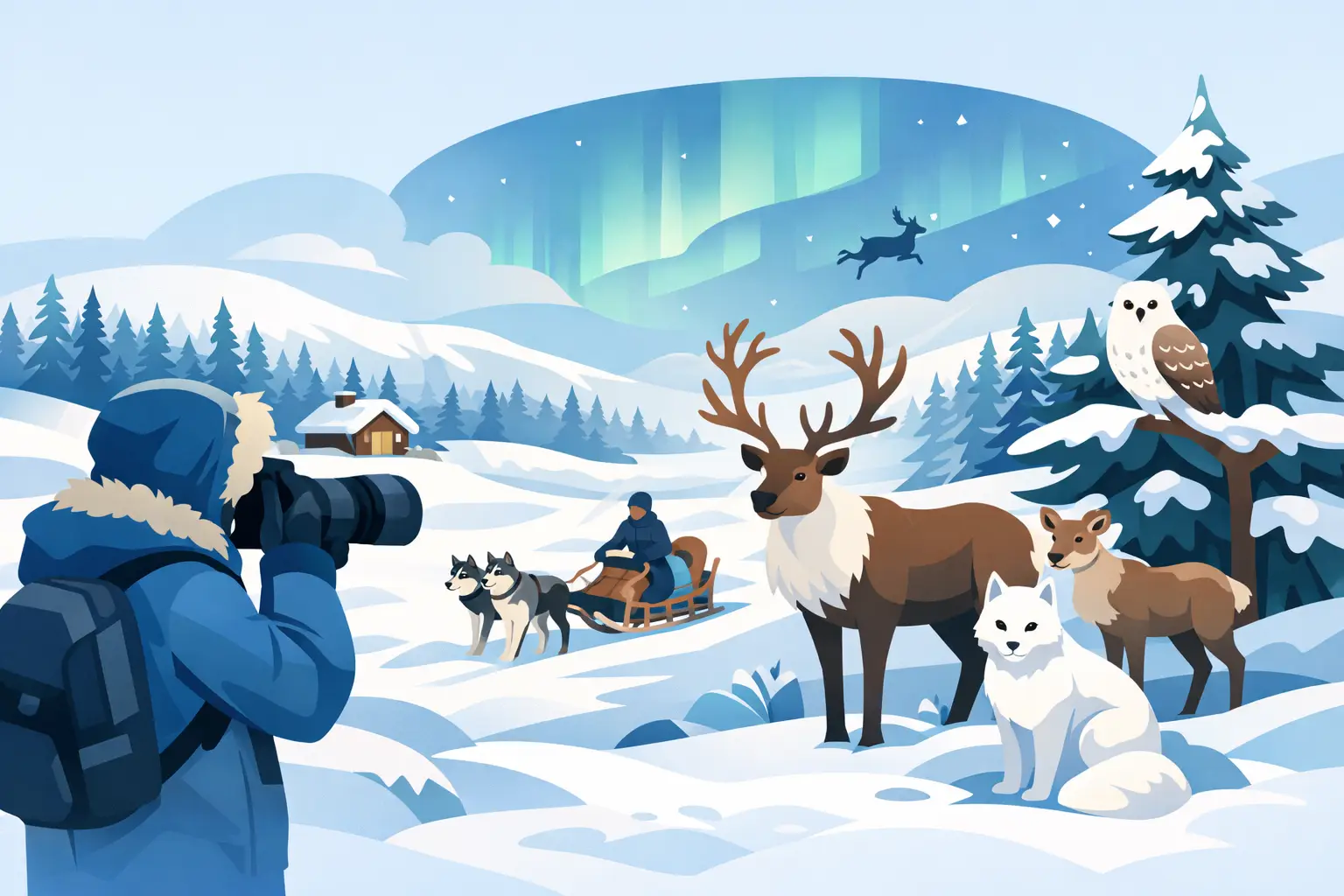
That is why the best Rovaniemi winter wildlife tours tend to take two honest forms. One is an animal-led experience with working husky teams or reindeer herders, where you meet animals that are part of Lapland life. The other is a visit to Ranua Arctic Zoo, where you can observe northern species in spacious, snowy enclosures designed around their needs.
Both are worthwhile, but they offer different things. A husky safari is fast, physical and full of character. A reindeer experience is slower and quieter, often bringing you closer to Sámi-influenced traditions and the rhythm of the forest. Ranua is the choice for travellers who want the strongest chance of seeing Arctic species, including animals that would be exceptionally rare to encounter in the wild.
Choose the experience, not just the animal
A good Lapland itinerary has variety. If you book every activity around speed, you may miss the stillness that makes the Arctic so powerful. If you choose only gentle experiences, you may leave wishing you had felt the rush of driving a husky sled beneath snow-heavy trees.
Husky sledding for real winter energy
A husky ride is often the activity people remember most vividly. You will hear the dogs before you see them, eager to run and impatient to be off. Once the sleds leave the kennel area, the noise drops away. Suddenly it is just runners gliding over snow, breath hanging in the air and a trail winding between spruce trees.
Most guests share a sled and take turns driving, so it is more active than it first appears. You need to brake, lean into corners and listen to the guide’s instructions. It is brilliant for couples and friends who want to be involved, rather than simply carried through the scenery.
The trade-off is temperature. Sitting on a sled can feel colder than walking, especially when the mercury falls well below freezing. Proper thermal clothing, warm boots and gloves are not an optional extra. Families with very young children should check the age guidance and journey length before booking, as the right route matters more than the longest route.
Reindeer safaris for a slower kind of magic
Reindeer do not race through the forest like huskies. They move at their own pace, which is exactly the point. Wrapped in warm blankets, you travel through a fairy-tale landscape while the forest reveals its smallest details: frost on branches, low winter light and the gentle creak of leather harnesses.
This is an especially good choice for families, photographers and anyone looking for a calmer contrast to snowmobiling or husky sledding. It can also provide more cultural context, depending on the host and programme. Ask what is included beyond the ride itself. A short introduction to reindeer life, feeding time or a chance to speak with the herders can turn a pleasant outing into a meaningful one.
Ranua Arctic Zoo for animals you may never see otherwise
Around an hour south of Rovaniemi, Ranua Arctic Zoo offers a different window into northern nature. Its winter trail takes you through a snowy forest setting to see animals adapted to the Arctic, from polar bears and wolves to lynx, owls and Arctic foxes.
For wildlife-loving travellers, this is the most reliable option for seeing a broad range of species during a short holiday. It is also a sensible choice when travelling with children, as there is a clear route, facilities and plenty to keep curious minds engaged. Allow enough time to walk at an unhurried pace. In deep winter, daylight is limited, and rushing through the trail can make the day feel more like an errand than an adventure.
Be clear about what you are booking: this is a zoo visit, not a wild-animal tracking expedition. That honesty matters. There is something powerful about learning how these animals survive the northern winter, but it is a different experience from following tracks with a wilderness guide.
Make room for the wilderness around the animals
The strongest wildlife days are often paired with an activity that lets you feel the habitat itself. Snowshoeing is ideal for this. It slows you down enough to notice animal tracks, browse marks on trees and the changing texture of snow. You may not see a wild fox or elk, but you begin to understand why they can disappear so completely into this landscape.
Ice fishing creates a similar connection. Drilling through lake ice, sitting beside the hole and waiting in total stillness is not about guaranteed catches. It is about spending time on a frozen lake in a way locals have done for generations. For travellers accustomed to packed city breaks, that quiet can be a surprise.
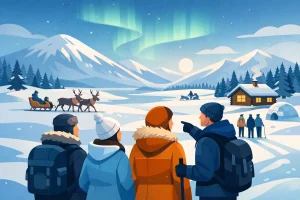
An evening Northern Lights hunt makes a natural finale. The aurora is not wildlife, but it belongs to the same nature-first mindset. A small group, flexible routing and a guide willing to chase clear skies can make a huge difference to your chances. No operator can command the solar wind or move clouds with a timetable, so be wary of anyone who suggests otherwise. What a serious hunt can offer is time, local weather knowledge and the freedom to go where conditions look best.
How to spot a tour that puts animals first
Animal experiences should feel exciting without feeling staged. Before you book, look for clear information about the duration of the actual activity, group size, transfers, thermal gear and what you will be expected to do. A ten-minute sled ride and an eight-kilometre forest journey are very different products, even if the photographs look similar.
It is also worth considering the pace of the day. A Ranua visit combined with a long transfer, lunch stop and evening aurora chase can be unforgettable, but it is a full day. If you are travelling with children or arriving on an early flight, split the experiences across your stay. You will be warmer, more present and far more likely to enjoy every moment.
Small groups make a genuine difference in winter. Guides have more time to explain what you are seeing, help with clothing, answer questions and adapt when weather conditions change. You are not just one person trying to hear instructions at the back of a crowd. That personal attention is especially valuable if this is your first time in Arctic conditions.
When to book your Rovaniemi wildlife experience
December brings deep snow, festive energy and the shortest days. It is wonderfully atmospheric, but popular dates book quickly and daylight sightseeing needs careful timing. January and February are usually colder, often quieter after the festive rush, and perfect for properly wintry landscapes. March brings longer days and, frequently, more comfortable temperatures for families and first-time Arctic travellers.
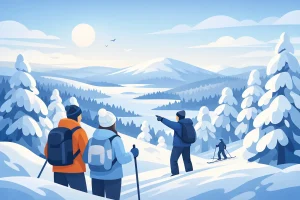
There is no single best month. For the deepest Christmas feeling, choose December. For crisp cold, dark skies and serious winter adventure, January or February can be superb. For longer days and an easier balance of wildlife visits, outdoor activities and aurora evenings, March is hard to beat.
Pack layers rather than relying on one thick coat. Merino or synthetic base layers, insulating mid-layers, warm socks and a hat that covers your ears will serve you well. Most guided providers supply outer thermal clothing for activities, but your own layers are what keep the warmth close when you stop moving.
Leave a little space in your schedule. The best moments in Lapland are rarely the ones you can force: a husky looking back at you before the sled sets off, a line of reindeer crossing a white trail, fresh tracks beside a frozen lake, or a green glow appearing above the trees. Give the Arctic time, choose guides who know how to read it, and let the real experience find you.