You feel it the moment the airport doors slide open in Lapland – that first sharp breath of Arctic air. It is exciting, a bit wild, and very different from a cold day back home in Britain. If you are wondering what to pack for Arctic tour adventures, the short answer is this: pack for real winter, not city winter. The right kit does not just keep you comfortable. It lets you enjoy the magic properly, whether you are waiting for the Northern Lights, riding behind a husky team, or standing on a frozen lake with a fishing line in hand.
The good news is that you do not need to dress like an expedition leader crossing Greenland. Most travellers coming to Finnish Lapland need warm, sensible layers, proper accessories, and a few smart extras that make long outdoor days far easier. The trick is understanding what matters most and where people usually get it wrong.
What to pack for Arctic tour days in Lapland
The biggest mistake is packing one giant coat and hoping for the best. Arctic comfort comes from layering. Guided experiences often mix activity and stillness. You might warm up while snowshoeing through the forest, then cool down quickly while watching the sky for aurora. Layers let you adjust without ending up sweaty, then freezing.
Start with a proper base layer. Merino wool is a favourite for a reason. It keeps warmth close to the body, breathes well, and stays more comfortable than cotton if you perspire. Thermal tops and leggings are worth the suitcase space. If you do not own merino, a good synthetic thermal set also works.
Over that, wear a mid-layer that traps heat. Fleece, wool jumpers, or a light insulated jacket all do the job. This layer should feel warm but easy to move in. If it is too bulky, you will notice it during activities like reindeer safaris or climbing in and out of transport.
Your outer layer needs to block wind and hold warmth. For many Arctic tours, especially in deep winter, an insulated winter jacket is better than a thin waterproof shell. Trousers matter too. Ski trousers or insulated outdoor trousers are far better than jeans, which turn cold fast and stay miserable once chilled.
The items people forget – and regret
A warm coat gets all the attention, but small accessories can make or break the day. Hands, feet and your face are usually the first to feel the cold.
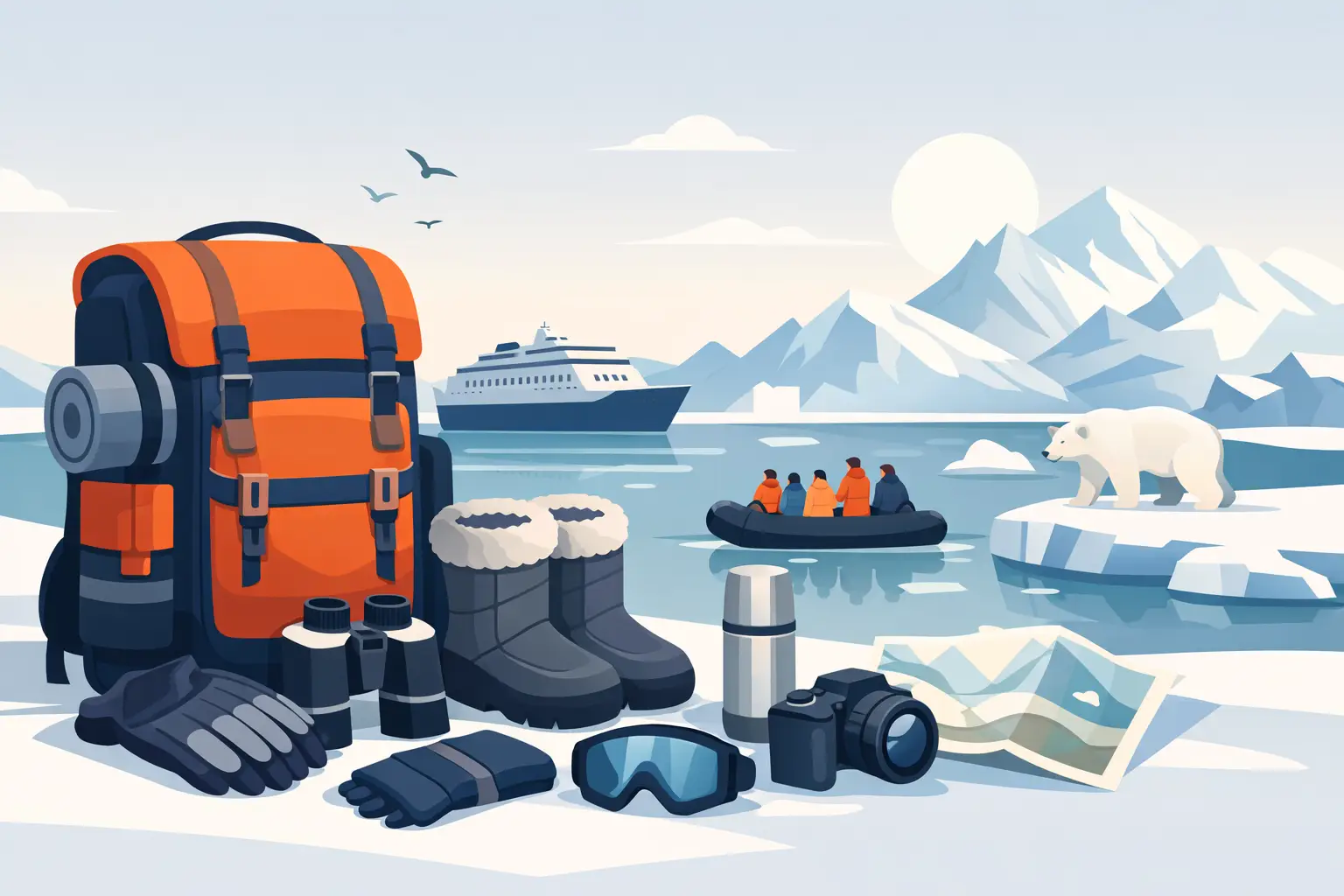
Bring insulated gloves or mittens, and if you can, choose mittens for the coldest outings. Gloves are better for using a camera or phone, but mittens are generally warmer. Some travellers bring both – a practical move if you have a photography-focused outing one day and a long aurora hunt the next.
A hat that covers your ears is non-negotiable. So is a neck warmer or buff. Scarves can work, but a neck tube is easier in wind and simpler to tuck into layers. Thick socks are essential, but do not overdo it. Two or three giant pairs squeezed into boots can reduce circulation and leave your feet colder. One good pair of wool or thermal socks is often better.
Hand warmers and toe warmers are not mandatory, but many guests are very happy they packed them. They are especially useful if you feel the cold easily or if your trip includes long periods of standing still outdoors.
Footwear for Arctic tours
If there is one area worth getting right, it is boots. For anyone planning what to pack for Arctic tour experiences, warm and practical footwear should be high on the list. You will likely be walking on packed snow, icy paths, and uneven winter ground.
Choose waterproof winter boots with insulation, decent grip, and room for warm socks. Fashion boots often look the part but fail when temperatures drop properly. The goal is not style points in the snow. The goal is warm toes after two hours outside.
Fit matters more than people expect. Boots that are too tight trap less warm air and reduce circulation. Boots that are too loose can rub and feel clumsy. If your itinerary includes a lot of activity, comfort matters every bit as much as warmth.
If you are joining guided day tours, check what is provided. Some operators offer thermal overalls and boots for certain activities, which can reduce what you need to bring from home. Even then, it is still wise to travel with your own comfortable winter footwear for transfers, free time, and lighter excursions.
Dressing for different Arctic experiences
Not every winter activity feels the same, even in similar temperatures. A husky ride can feel colder than expected because you are sitting still as the sled moves through icy air. Snowmobiling is another one where wind chill changes everything. Aurora hunting often means bursts of driving or walking mixed with waiting under open skies.
For active outings like snowshoeing, breathable layers become more important. You want warmth, but you do not want to overheat. For slower experiences such as ice fishing or Northern Lights photography, prioritise maximum insulation. This is where extra socks, better mittens and insulated trousers really earn their place.
Families should think about this too. Children often need quicker layer changes, spare gloves, and an extra set of socks. If little hands get wet once, the whole mood can shift fast.
What not to pack
Overpacking is easy when the forecast looks dramatic. The reality is that smart packing beats heavy packing. You do not need multiple bulky jumpers for every day if you have a good layering system. You also do not need cotton basics for outdoor use. Cotton holds moisture and loses warmth fast, so leave the jeans and casual cotton leggings for indoor evenings only.
Avoid trainers for outdoor touring. Even if the journey begins in town, winter conditions can change quickly, and slushy feet are not part of the fairy-tale.
It is also worth skipping anything too restrictive. If you cannot bend, sit, climb or walk comfortably in it, it will become annoying very quickly on tour.
The useful extras that travellers love
Once the essentials are sorted, a few small extras can seriously improve the trip. Sunglasses may sound odd in winter, but bright snow reflects light strongly, especially on clear days. Lip balm and a rich moisturiser are also sensible because Arctic air can be dry and unforgiving.
A power bank is one of the smartest things you can pack. Cold weather drains phone batteries quickly, and your phone often doubles as your camera, map, boarding pass and way to message home. If you are bringing a camera, carry spare batteries and keep them warm in an inner pocket.
A small backpack is helpful for day tours. You do not need anything huge, just enough space for extra layers, water, snacks, and personal bits. A reusable water bottle is useful, though insulated bottles work best in colder conditions.
If you are hoping for great photos, think beyond the camera body. Thin liner gloves under warmer mittens make it easier to shoot without exposing bare hands for long. A simple tripod can also be useful for aurora photography, though it depends on the tour and how much gear you want to carry.
Pack for comfort, not for the brochure
There is always a temptation to pack for how an Arctic holiday should look rather than how it actually feels. Neutral knitwear and stylish boots may look lovely in photos, but real comfort is what lets you stay outside longer, smile through the cold, and focus on the experience instead of your frozen fingers.
That is especially true if you are travelling for the Northern Lights. The best aurora moments are not scheduled around your outfit. They arrive when they arrive. Being warm enough to stay out under the sky is half the battle.
For travellers booking guided experiences through operators such as ArKtictopia, there is a real advantage in having support on the ground, but your own clothing still shapes the day. Guides can take you to the right places, handle the route, and know when conditions are promising. Good packing means you are ready to enjoy every minute of it.
The Arctic does not ask for glamorous packing. It asks for honest, practical choices. Get the layers right, respect the cold, and leave space in your bag for the moments that matter – the crackle of snow under your boots, the silence of the forest, and that first green ribbon of light moving across the sky.