
You can feel the difference the moment you land in Lapland in winter. The air bites, the snow muffles everything, and suddenly the usual city rush feels very far away. If you are wondering how to plan Lapland winter trip ideas into something that actually works in real life, start here: choose the right base, the right timing, and the right mix of guided experiences before you book anything else.
How to plan a Lapland winter trip without wasting days
Lapland looks dreamy on Instagram, but the best trips are built on practical decisions. Too many travellers book flights first, add random activities later, and end up with long transfers, packed schedules, or expensive gaps in the middle of the week. In the Arctic, logistics matter. Daylight is limited, distances can be longer than they appear, and weather always has a say.
The smartest way to plan is to work backwards from the experience you want most. If the Northern Lights are the headline act, build your trip around evening flexibility and several chances to go out. If your dream is a fairy-tale family break with huskies, reindeer and snowy forests, then balance iconic experiences with downtime. Lapland is magical, but it is still a real destination with real travel times and winter conditions.
For most first-time visitors, Rovaniemi is the easiest place to begin. It has strong flight connections, a good range of accommodation, and access to the classic winter experiences people come for. It also works well if you want a structured trip without hiring a car or figuring out icy roads on your own.
Pick the right month for your kind of magic
Timing changes the whole feel of your trip. December is the full fairy-tale version of Lapland – festive lights, deep snow, and that once-in-a-lifetime Christmas atmosphere. It is also one of the busiest and most expensive periods, so book early and expect popular tours to fill fast.
January and February often suit travellers who want proper winter conditions without the Christmas crowds. Snow is reliable, the landscapes feel wild and clean, and there is still plenty of darkness for aurora hunting. These months are brilliant for snow activities because the cold tends to keep trails and surfaces in good condition.
March is a favourite for many Arctic guides for a reason. You still get winter, but with longer daylight hours and often more balanced conditions for daytime adventures. If you want to combine Northern Lights chasing with photography, snowshoeing, husky rides and wildlife experiences, March can be a sweet spot.
There is no single perfect month. It depends whether you care most about festive atmosphere, fewer crowds, stronger winter activity conditions, or a little more daylight.
Decide how long to stay
A common mistake is trying to do Lapland in two nights. You can, but it is a gamble. Flights, airport transfers and weather can eat into your schedule fast, and if seeing the aurora matters to you, one evening is rarely enough.
Four to five nights is usually the sweet spot for a first winter break. That gives you time for at least two or three evening opportunities to hunt for the Northern Lights, plus room for daytime activities without turning the trip into a military operation. It also leaves a little breathing space if one tour shifts because of conditions.
If you are travelling all the way from the UK, give yourself enough time to enjoy the place instead of racing through it. Lapland works best when there is room for both adrenaline and stillness.
Build your trip around experiences, not just sights
When people picture Lapland, they often think in postcard moments – a reindeer in the snow, a glassy frozen lake, green aurora overhead. That is part of it, but what makes the trip unforgettable is what you do in those landscapes.
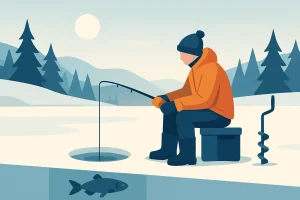
A good winter itinerary usually mixes one or two high-energy activities with slower, nature-first experiences. Huskies bring speed and excitement. Reindeer safaris feel quieter and more cultural. Snowshoeing gets you into silent forest spaces you would never reach otherwise. Ice fishing strips the whole day back to something simple and real. A visit to Ranua Arctic Zoo can work especially well for families or anyone who wants a wildlife-focused day.
Then there is the Northern Lights. This is the experience most people care about most, and it deserves proper planning. No one can promise the sky will perform on command, so your best strategy is to maximise your chances. That usually means choosing a dedicated aurora hunt rather than standing outside your hotel for ten minutes and hoping for the best. Small-group guiding, flexible routing, local knowledge and the willingness to keep moving when conditions change all make a difference.
If photography matters to you, choose a photo-focused option rather than assuming every guide will stop for tripod setup and camera coaching. If privacy matters, a private hunt can transform the night completely.
Choose a base that makes the rest easy
Lapland is not one single resort. It is a huge region, and your base shapes the whole holiday. Some travellers want an isolated cabin experience. Others want an easy-access town with restaurants, transfers and several tour options close at hand.
For many visitors, Rovaniemi is the practical choice because it keeps things simple. You can land, settle in quickly, and access everything from aurora hunts to husky rides without turning every day into a transfer day. That matters more than people think, especially in winter when energy drops faster in the cold and darkness.
If you are planning to combine Finland with places like Tromso, Kirkenes or Lofoten, start thinking early about how those travel days fit together. A multi-stop Arctic trip can be incredible, but only if the routing is realistic. The Arctic rewards ambition, but it punishes overpacking.
Budget for the trip you actually want
Lapland is not the cheapest winter break in Europe, and pretending otherwise only leads to disappointment later. Costs rise quickly once you add accommodation, winter clothing, guided activities and meals. The trick is not to find the cheapest trip. It is to spend on the parts that shape the experience most.
For most people, that means prioritising three things: a convenient base, quality winter excursions, and enough nights to give the trip a proper chance. If your budget is tight, scale back the number of premium activities rather than shortening the trip too aggressively. One great husky experience and two serious aurora outings usually deliver more than cramming in every possible add-on.
Also check what is included. Some tours include thermal clothing, boots, transfers, hot drinks or professional guiding with photography help. That can make a more expensive option better value in practice.
Pack for comfort, not fashion
The cold in Lapland is manageable if you dress properly. It is miserable if you do not. Layers matter more than labels. Start with a moisture-wicking base layer, add insulating mid-layers, and finish with a proper winter outer layer. Warm socks, insulated boots, gloves, a hat and something to protect your neck and face are not optional extras.
If you are joining guided winter experiences, check whether thermal suits and boots are included. Many travellers from the UK do not own Arctic-grade outerwear, and that is fine. Renting or using provided gear is often the easiest route.
Do not underestimate battery drain either. Phones and cameras lose power faster in the cold, so carry spares or a power bank close to your body.
Book tours with the right style of guiding
This part matters more than glossy photos. Lapland is one of those places where the operator can make or break the trip. Small groups usually mean a more personal experience, smoother logistics and less standing around in a crowd. That is especially valuable on aurora nights, where timing, patience and local judgement count for a lot.
Look for clear communication, realistic expectations and well-structured itineraries. The best guides do not oversell the Arctic. They read the conditions, adapt the plan, and help you enjoy the night even if the sky stays quiet. That kind of honesty is worth a lot.
If you want a base in Rovaniemi with guided winter experiences built around authentic, small-group adventures, ArKtictopia is one option travellers often consider for exactly that reason.
Leave space for the unexpected
The strongest Lapland trips are never planned down to the minute. Snow changes. Skies change. Energy levels change too, especially if you are travelling with children or trying several outdoor activities in deep winter conditions.
Leave one lighter day or one open evening if you can. That space gives you room to rest, revisit a favourite spot, or book an extra aurora hunt if the forecast suddenly looks promising. In Lapland, flexibility is not poor planning. It is good planning.
And that is really the heart of it. If you want to know how to plan a Lapland winter trip well, plan for the big moments, but leave room for the real ones too – the blue twilight in the forest, the silence on a frozen lake, the night you look up and the sky finally answers.