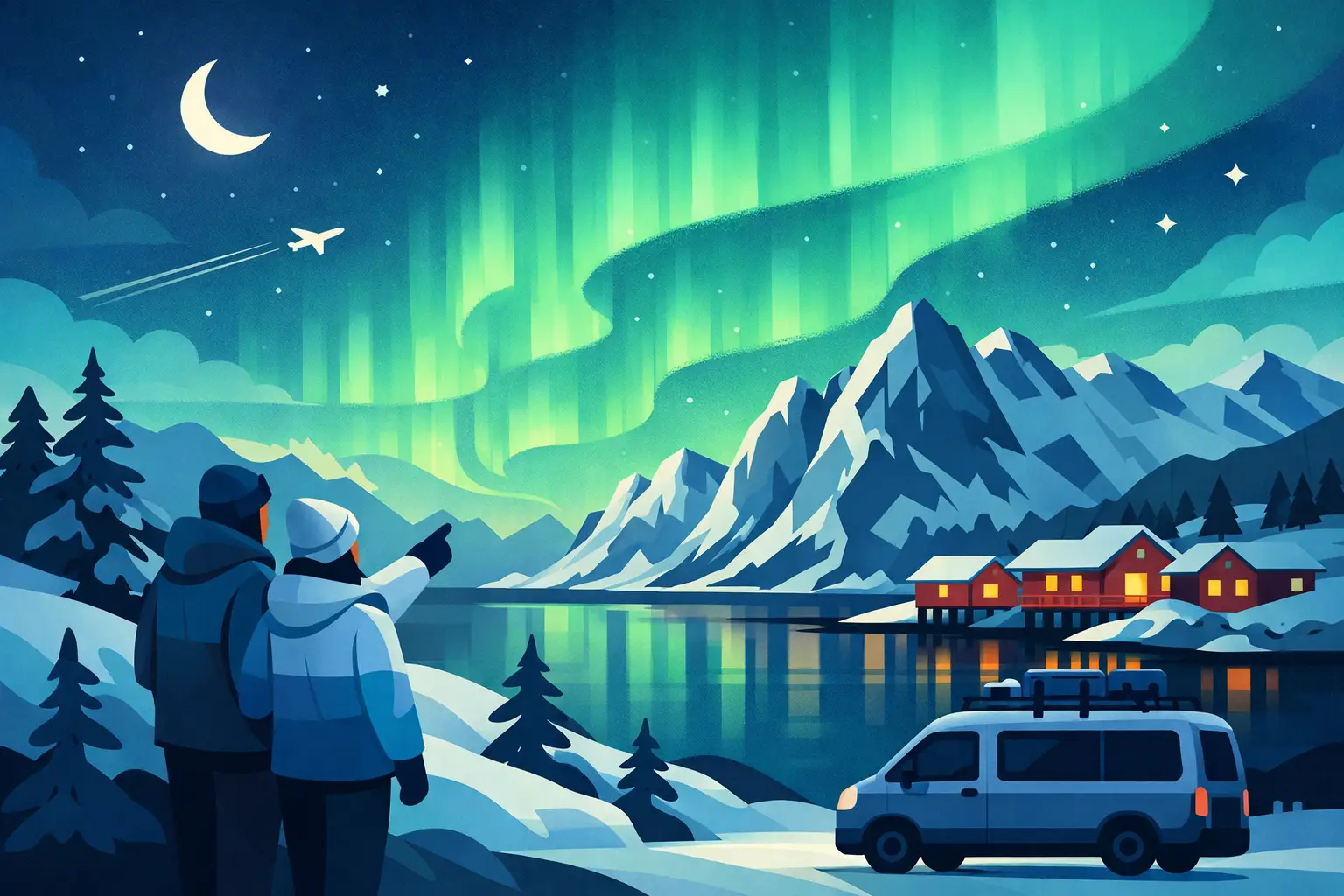
A Lofoten northern lights tour from Finland is not the obvious Lapland choice, and that is exactly why it appeals to travellers who want more than a standard aurora break. If you are starting in Rovaniemi and dreaming about dramatic Norwegian peaks, red fishing cabins and Arctic beaches under dancing green skies, this route turns a great winter holiday into something far more memorable.
It also comes with real decisions. Lofoten is stunning, but it is not the simplest place to reach, and Northern Lights travel is never just about chasing pretty photos. Weather, road conditions, daylight hours and your tolerance for long travel days all shape whether this feels magical or hard work. The best trips get the balance right – enough structure to keep things smooth, enough flexibility to give you a proper shot at the aurora.
Why choose a Lofoten northern lights tour from Finland?
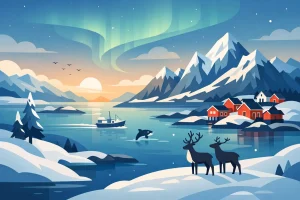
If you are already planning time in Finnish Lapland, adding Lofoten can make a lot of sense. Finland gives you easy access, polished winter infrastructure and a wide mix of activities – huskies, reindeer, snowshoeing, forests, frozen rivers. Lofoten brings a completely different Arctic mood. The landscape is wilder, steeper and more coastal, with mountains rising straight out of the sea.
That contrast is the real draw. Rather than seeing one Arctic destination in depth, you experience two very different versions of the north in one journey. You might begin in snowy woodland near Rovaniemi and finish on a wind-brushed Norwegian shoreline with the aurora moving over jagged peaks. For many travellers, that variety makes the trip feel richer and more worth the effort.
There is another reason this route stands out. Northern Lights conditions change quickly, and having a wider geographic range can help. It is never a guarantee, because cloud and solar activity do what they want, but moving across regions can create more opportunities than staying fixed in one place.
What this trip is really like
A Lofoten northern lights tour from Finland is usually a multi-day adventure, not a quick day trip. Distances are long, winter roads can be slow, and the whole point is to experience the journey rather than tick a box. If you see anything advertised as a simple hop over for the evening, check the details carefully.
Most travellers start from Rovaniemi because it is the natural hub in Finnish Lapland. From there, the route may head west across northern Finland and into Norway, often with overnight stops that break up the journey and create additional aurora chances. Depending on the itinerary, you could pass through areas such as Kilpisjärvi, Narvik or other Arctic gateways before reaching Lofoten.
That means this trip suits people who enjoy the road as part of the story. You are not just travelling to Lofoten. You are moving through changing Arctic scenery, crossing borders, watching forests give way to open plateaus and then to the coast. On a good itinerary, the transitions feel exciting rather than rushed.
Who it suits best
This route is brilliant for couples, small groups of friends and solo travellers who want a guided Arctic experience without having to plan every transfer, stop and weather backup themselves. It is especially strong for people who have already decided that they do not want a package that feels overly commercial or crowded.
It can also work for families, but age and expectations matter. If your children are very young or struggle with longer drives, staying in one destination may be the easier call. Lofoten is beautiful, but beauty does not always equal convenience.
For photographers, this trip is a dream if the weather plays along. The mountains, bridges, beaches and fishing villages give you far more dramatic foregrounds than a standard forest-based aurora hunt. Just remember that dramatic scenery often comes with dramatic conditions – wind, sleet, icy surfaces and quick changes in visibility.
Best time to go
The core season for a Lofoten northern lights tour from Finland runs through winter, with the best balance usually falling between late September and March. For classic snowy Arctic scenery, December to March is the big draw. If your priority is slightly milder conditions and easier road travel, October, November and late March can be appealing.
December and January deliver that deep winter atmosphere many GB travellers want. Think blue twilight, heavy snow, frozen landscapes and long dark hours that give the aurora more room to appear. The trade-off is that weather can be harsher and roads slower.
February and March are often excellent for travellers who want snow but also appreciate a bit more light in the day. The landscapes remain properly wintry, and the extra daylight can make the journey feel less intense. You still get strong aurora potential, but with more time to enjoy the scenery between hunts.
The practical side: travel time, cost and comfort
This is where romance meets reality. Lofoten is not next door to Rovaniemi, so expect a proper travel commitment. Depending on the route and stops, you are looking at several days rather than a weekend add-on if you want to do it well.
Cost will also sit above a standard Lapland short break. You are paying for transport across long distances, guiding, accommodation and the expertise needed to run an Arctic route safely in winter. That does not make it overpriced. It just means this trip is best seen as a premium experience rather than a bargain bolt-on.
Comfort depends heavily on how the tour is organised. Small-group guided trips generally offer the best balance. You keep the social side and the value of shared travel, but avoid the drained feeling that comes with oversized coach-style touring. Personal attention matters a lot on a route like this, especially if plans need to shift because of weather or aurora conditions.
What to look for in a guided Lofoten northern lights tour from Finland
Not all Arctic tours are built the same. A good itinerary should be honest about distance, clear about accommodation standards and realistic about aurora chasing. If a company talks as if the lights are guaranteed every night, walk away. Confident operators know that the aim is to maximise your chances, not make impossible promises.
Look for a route with enough flexibility to respond to the sky. That might mean changing the evening viewing location, adjusting stop times or using local weather knowledge rather than sticking rigidly to a script. In the Arctic, the best guides are not just drivers or timetable keepers. They read conditions, manage energy levels and know when to move.
It is also worth checking the group size. Smaller groups usually mean faster decisions, easier photo stops and a more personal atmosphere. That matters when you are standing in the cold at night waiting for a ribbon of green to strengthen above the sea.
For travellers wanting the experience handled from start to finish, ArKtictopia fits naturally into this kind of journey – small groups, guided logistics and a focus on real Arctic conditions rather than polished fantasy.
What to pack without overdoing it
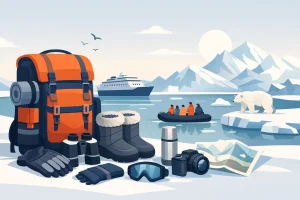
You do not need to bring your entire winter wardrobe, but you do need to take the cold seriously. Layers are everything. A proper thermal base, warm mid-layers, insulated outerwear, wool socks, a hat and gloves that actually work in sub-zero conditions will matter more than whether your coat looks good in photos.
Boots are the item people get wrong most often. Lofoten can be icy, slushy, wet and snowy all in the same trip. Waterproof, insulated boots with decent grip are far more useful than fashionable winter shoes.
If you are keen on photography, bring spare batteries and keep them warm. Cold drains them quickly. A tripod is useful for aurora shots, but only if you are comfortable using it in the dark and wind. If not, it can become one more thing to wrestle with while everyone else is simply enjoying the sky.
Managing expectations about the Northern Lights
This is the heart of it. A Northern Lights tour is never just about the lights. It is about placing yourself in extraordinary landscapes, giving yourself the best possible chance and letting the Arctic do the rest.
Some nights the sky explodes. Some nights it stays stubbornly grey. Sometimes the aurora appears as a faint band and slowly builds into something unforgettable. Sometimes you spend hours waiting and the reward is the silence, the stars and the feeling of being very far from normal life.
That is not a sales dodge. It is the truth that makes a good tour worth booking. The right guides keep the experience exciting even when nature is moody. They know where to go, when to move on and how to turn uncertainty into part of the adventure rather than a disappointment.
If Lofoten has been sitting in your imagination for a while, starting from Finland can be a brilliant way to reach it. You get the comfort and variety of Lapland, then push deeper into a wilder, sharper Arctic world. Book the route for the whole experience, not just the forecast, and you give yourself the best chance of coming home with a story that still feels unreal months later.