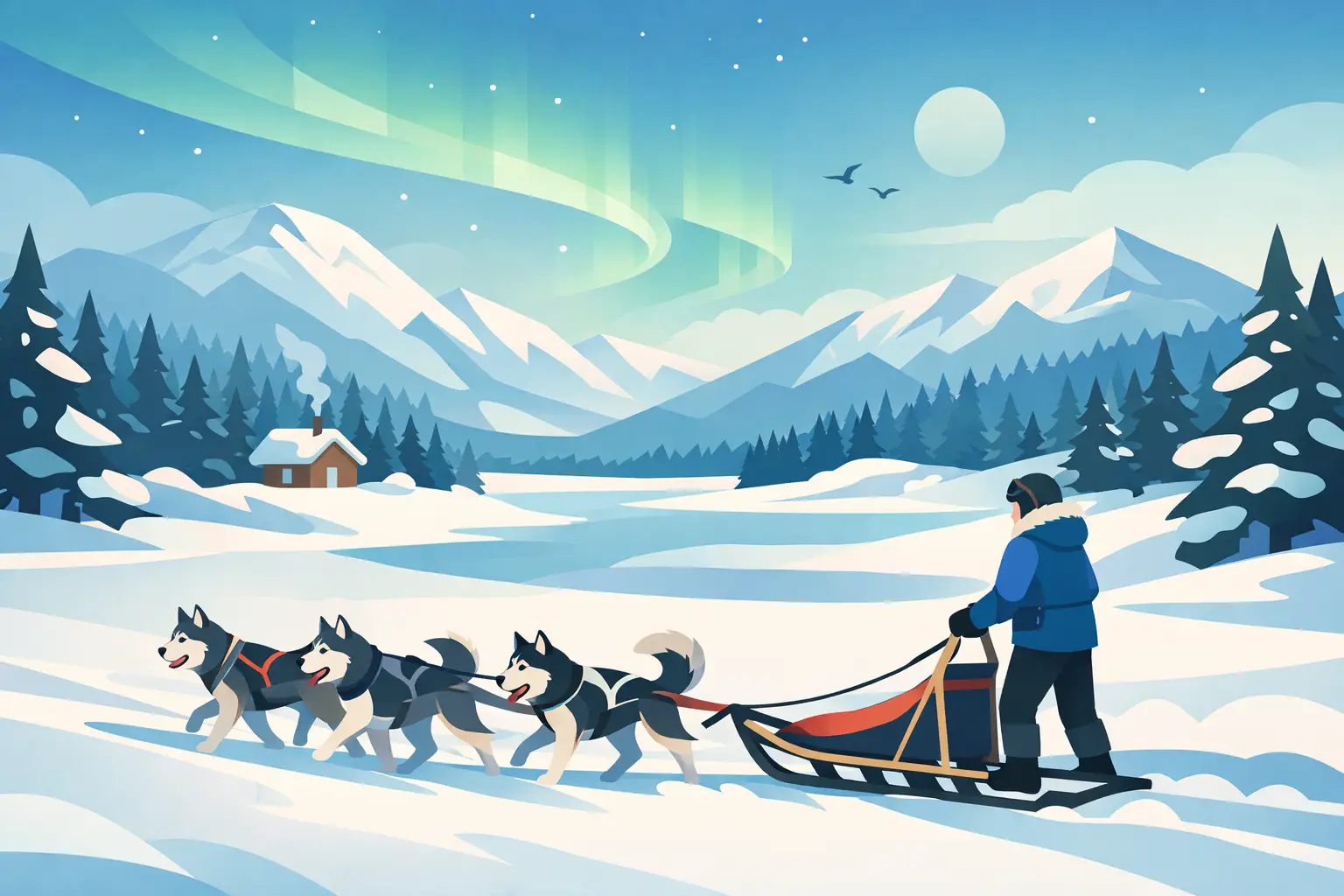
You can tell a lot about a husky safari before the sled even moves. Watch the dogs at the start line. Healthy huskies are eager, noisy, and impatient to run. The guides are calm, organised, and clearly know every dog by name. If you are wondering how to choose husky safari experiences in Lapland, that first impression matters more than glossy photos ever will.
A husky ride is one of those classic Arctic moments people imagine for years before they arrive – snow flying from the runners, silent forests, blue winter light, and a team of dogs pulling you deeper into the wild. But not all safaris feel the same. Some are short, busy, and built for a quick tick on the itinerary. Others give you space, time, and that real feeling of being out in Lapland rather than simply passing through it.
How to choose a husky safari without regret
The easiest mistake is booking by price alone. Cheap can look tempting when you are already budgeting for flights, winter clothing, and a Lapland stay, but the lowest price often means the shortest route, the biggest group, or the least personal experience. That does not automatically make it bad, but it does change what kind of memory you are buying.
Start by asking what you actually want from the day. If your dream is a proper outdoor adventure, focus on distance, time on the sled, and group size. If you are travelling with young children, a softer pace and easier logistics may matter more than a long trail. If this is a once-in-a-lifetime trip, many travellers find it worth paying a little more for a smaller group and a more authentic setting.
That is usually the difference between a quick tourist activity and a real husky safari – not just the dogs, but the overall design of the experience.
Choose the right safari length
This is where expectations need to be honest. Many travellers see “husky safari” and imagine an extended journey through the forest, only to discover the actual sled ride lasts ten minutes. There is nothing wrong with a short ride if that is what you booked, but it helps to know exactly what the published duration includes.
Some tours are activity-based, which means the full outing might be two hours with transfers, clothing, safety briefing, kennel visit, and only a brief sled section. Others are mileage-based and tell you more clearly what you are getting, such as 5 km, 10 km, or longer. If the ride itself is the highlight for you, pay attention to the actual trail length rather than the total tour time.
Longer is not always better, though. First-time mushers can find that even a moderate route feels exciting and physical, especially in colder temperatures. Families with smaller children often enjoy a shorter safari more, because the experience stays fun instead of becoming tiring.
Group size changes everything
A husky safari feels most magical when there is space around you – fewer sleds on the trail, more quiet in the forest, and enough time to ask questions without feeling rushed. Small groups usually create that atmosphere. You get more direct contact with the guide, a smoother pace, and a much more personal experience from start to finish.
Larger groups can still work well, especially during peak winter weeks when demand is high, but they tend to feel more structured and less intimate. There is more waiting, more stop-start movement, and sometimes less flexibility if weather or pace changes.
For couples, solo travellers, and small groups of friends, this can be the factor that turns a good activity into an unforgettable one. If you are travelling to Lapland for the feeling of wilderness, not just the photograph, small-group guiding is worth prioritising.
Check whether you drive or ride as a passenger
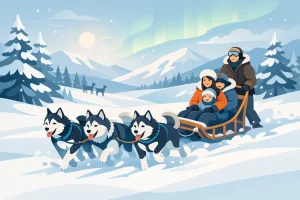
Not every husky safari works the same way. On some tours, one person drives the sled while the other sits in it, with a chance to swap halfway. On others, guests are passengers for the full route while a guide handles the sled. Neither format is wrong, but they create very different experiences.
Driving gives you a stronger sense of adventure. It feels active, immersive, and surprisingly exciting once the dogs set off. It also requires balance, attention, and a willingness to listen to instructions. If you want the classic mushing feel, this is usually the better choice.
Passenger-only safaris suit travellers who want a gentler ride, have mobility concerns, or are travelling with children. If your priority is enjoying the scenery rather than handling the sled, that can be the right call.
Animal welfare should be obvious, not hidden
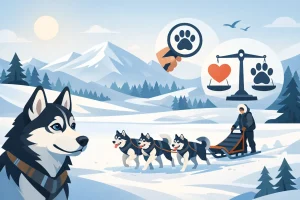
If you are working out how to choose a husky safari responsibly, this is the part not to skip. Ethical kennels do not need to hide behind vague wording. They are open about how the dogs live, train, rest, and work.
A good sign is energetic dogs that look fit, alert, and genuinely keen to run. Huskies are working dogs. Excitement at the start is normal. What you want to see is clean surroundings, confident handling, sensible pacing, and guides who talk about the dogs with knowledge and respect rather than scripted lines.
It is also worth checking whether the experience includes time to learn about the kennel and the dogs beyond the ride itself. That usually points to a more thoughtful operation. If everything feels rushed and transactional, that tells you something too.
Think about the setting, not just the activity
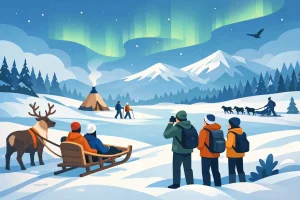
The best husky safaris are not only about being pulled by dogs. They are about where the trail takes you. Wide-open snowy landscapes, peaceful forest tracks, frozen lakes, and that pure Lapland silence all shape the feeling of the ride.
Some operators are based in locations that feel close to nature from the first minute. Others are more convenient but less atmospheric. If your dream is the fairy-tale version of Lapland, with proper Arctic scenery and a sense of escape, read the tour details closely and look for experiences built around the landscape rather than a quick loop.
This is especially important if you are staying in Rovaniemi and trying to choose between many similar-looking tours. Logistics matter, of course, but a slightly longer transfer can be worth it if the trail itself feels much more real.
Season, weather, and light all affect the experience
A husky safari in early December feels different from one in March. In the heart of winter, the forests can be darker, quieter, and deeply atmospheric. Later in the season, you may get longer daylight hours, softer sunshine, and slightly easier conditions for families or first-time Arctic travellers.
Weather also changes the ride. Fresh snow can make everything look impossibly beautiful, while extreme cold can make a longer safari feel more demanding. That is not a reason to avoid booking – just a reminder that the right tour depends partly on your comfort level outdoors.
If you love photography, ask yourself whether you want blue twilight, bright daylight, or a route timed to catch the best winter light. Details like this can make the experience feel more personal and less generic.
Read the practical details properly
This is the least glamorous part, but it saves a lot of disappointment. Before booking, check what is included: winter clothing, transfers, hot drinks, kennel visit, driving instructions, and whether there are age or height restrictions. Families should check carefully whether young children can sit comfortably and safely for the full route.
Cancellation terms matter too, especially in winter when travel plans can shift. So does communication. A trustworthy operator makes the process clear before you arrive, not confusing until the last minute.
This is one reason guided operators with a strong service model stand out. Good communication, smooth pick-ups, and guides who know how to handle Arctic conditions well are not extras – they are part of the experience.
The best choice depends on who you are travelling with
For couples, a husky safari often works best when it feels intimate and scenic rather than crowded and rushed. For families, ease and comfort may come before distance. For solo travellers, a small-group tour can make the day feel welcoming and social without being overwhelming.
If you are building a short Lapland holiday, think about energy levels across the trip. A husky safari pairs brilliantly with Northern Lights hunting, snowshoeing, or reindeer experiences, but not every day needs to be packed wall to wall. Sometimes the smartest choice is the safari that fits your wider itinerary rather than the longest one available.
Operators like ArKtictopia build around that idea – real experiences, small groups, and clear planning that helps you spend less time second-guessing and more time enjoying Lapland.
So, how to choose husky safari options with confidence?
Choose the one that matches the memory you want to bring home. If you want a fast photo stop, book that honestly. If you want to feel the forest, hear the runners on snow, meet the dogs properly, and come back with frozen cheeks and a huge grin, look for quality over volume.
The right husky safari should feel a little wild, very well guided, and completely worth the journey north. When it does, you will not remember the booking process at all – only the sound of the dogs surging forward into the white silence.