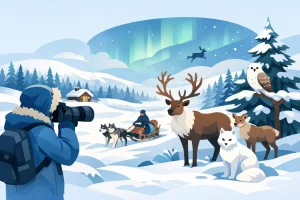
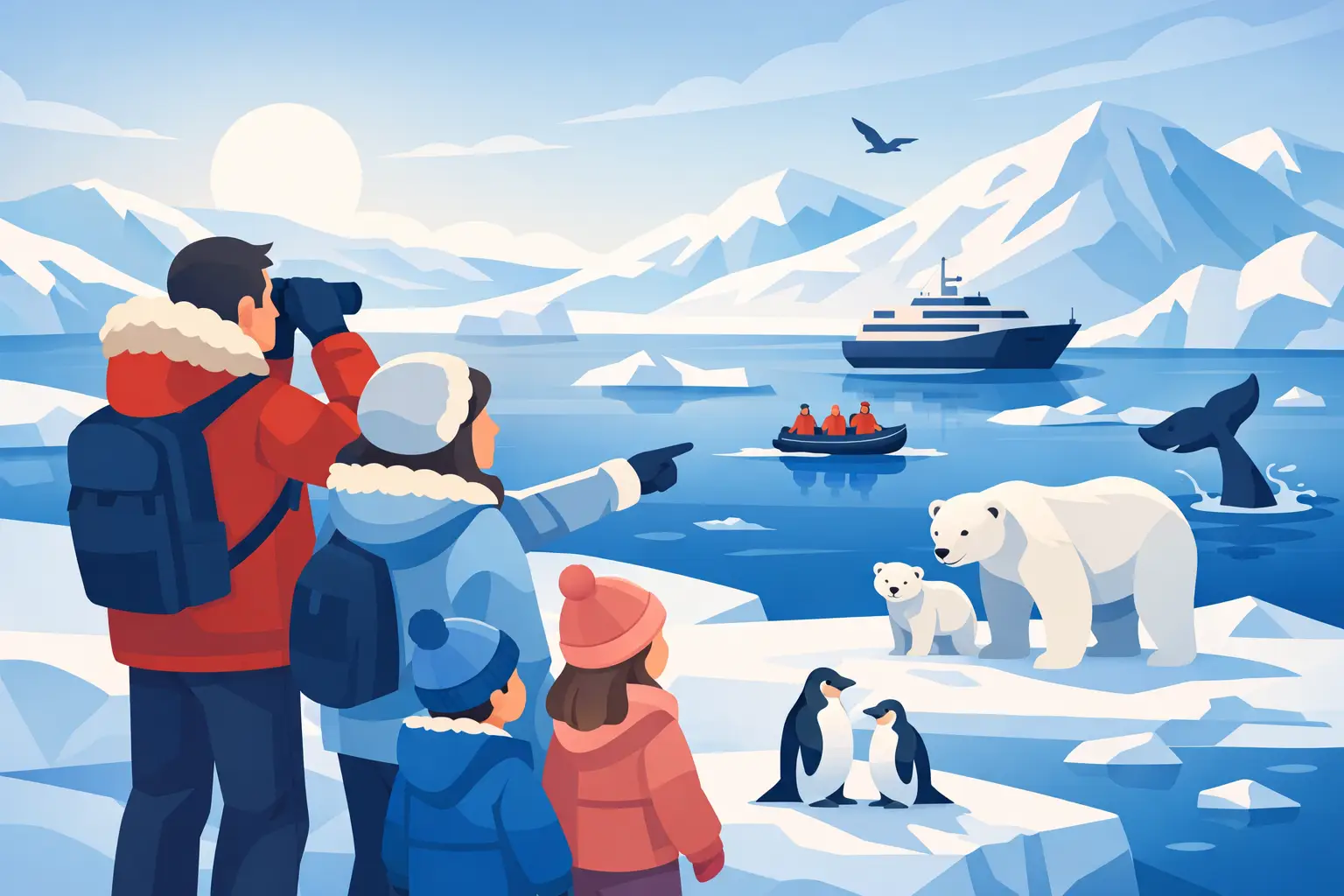
The first time your child hears a husky team bark with excitement, watches snow spray from a sledge, or spots green light flickering over a frozen forest, Lapland stops being a storybook place. It becomes real. But are Arctic tours child friendly? Many are brilliantly suited to families, provided you choose experiences that match your child’s age, confidence and tolerance for cold.
A family trip to Finnish Lapland can be magical without being exhausting. The secret is not packing every hour with activities. It is choosing well-paced adventures, dressing properly and leaving enough room for hot chocolate, snowball fights and the occasional early night.
Are Arctic tours child friendly for every age?
Arctic tours are not all the same, and neither are children. A calm animal encounter in daylight may be perfect for a preschooler, while an older child or teenager could love a longer husky safari, snowshoe walk or evening aurora hunt. The right tour depends on the activity, weather conditions and your family’s appetite for being outdoors after dark.
In general, guided experiences work especially well for families because the practical details are handled for you. Transport, route planning, safety briefings and warm stops are organised by people who understand winter in Lapland. That means parents can enjoy the moment too, rather than trying to navigate icy roads or work out whether a frozen lake is safe to cross.
However, child-friendly does not mean every tour is suitable for every child. Long night-time journeys can feel exciting at first, then become difficult when tiredness and cold set in. A very young child may not enjoy sitting still in a sledge for an extended period. Some snowmobile activities have passenger age or height requirements, while self-driving is reserved for adults with the correct licence.
Before booking, look beyond the headline experience. Check the expected duration, time spent outdoors, transfer length, minimum age, whether children ride in a sledge or vehicle, and whether thermal clothing is included. These details make the difference between an unforgettable family story and a day that feels too long.
The best Lapland experiences for children
Husky rides bring instant excitement
Husky safaris are often a family favourite because they deliver proper Arctic adventure without asking children to master a new skill. The dogs are energetic, the forest feels wonderfully wild, and being pulled through fresh snow is an experience most children will talk about long after the holiday.
For younger children, a shorter safari where they sit comfortably in the sledge with an adult can be the better choice. Older children may enjoy learning how a dog team works and hearing about the animals’ training and care. Remember that the ride can be cold, even on a short route, because passengers are not moving much. A warm blanket, insulated boots and a good neck warmer matter.
Reindeer safaris suit slower-paced families
A reindeer safari has a gentler rhythm. It is ideal for families who want the fairy-tale side of Lapland, particularly if little ones are more interested in animals than speed. Wrapped up in a sleigh beneath snowy trees, children can take in the landscape without the noise and bounce of a faster activity.
This is also a lovely way to introduce the heritage of the Arctic region. A good guide turns the journey into more than a ride, sharing the stories and everyday realities behind reindeer husbandry. Keep expectations realistic: reindeer move at a relaxed pace. That is part of the charm, but families chasing adrenaline may prefer to pair it with a husky experience or playful snow activities.
Snowshoeing and ice fishing reward curious kids
For children who like to explore, snowshoeing makes an ordinary woodland walk feel like an expedition. It is usually best for school-age children who can manage uneven snow and follow instructions, although route length is what really matters. A short, guide-led walk with chances to examine animal tracks, snowy trees and frozen landscapes can hold attention far better than a long march.
Ice fishing is another quiet surprise. Drilling through a frozen lake is exciting in itself, and waiting for a bite teaches a little patience without feeling like a lesson. It works particularly well for families who would rather slow down between bigger experiences. Warm drinks around an open fire turn it into a proper Arctic memory, even if no fish takes the bait.
Northern Lights hunting can be magical, with a caveat
Children are often captivated by the idea of the Northern Lights. Seeing the aurora together can be the moment that defines a Lapland holiday. Yet it is the activity that requires the most flexible expectations.
The lights are a natural phenomenon, not a show switched on at a set time. A serious hunt may involve travelling away from city lights, waiting outdoors and staying up later than usual. Clouds, wind and solar activity all affect what is visible. For a five-year-old who has been busy all day, that can be a lot.
Families often do best with an aurora tour that offers warm transport, a comfortable base or campfire, and guides willing to adjust plans around the conditions. Consider booking it early in your stay rather than on the final night. If a child is too tired, one parent can stay back while the other goes, or you can simply enjoy an earlier evening under the stars. At ArKtictopia, small-group guiding helps keep the experience personal rather than rushed, which matters when travelling with children.
Keeping children warm is the real game-changer
Lapland cold feels very different from a frosty morning at home. Temperatures can fall well below freezing, and wind makes exposed fingers and faces uncomfortable quickly. The good news is that Arctic family days are absolutely manageable with the right layers.
Start with a moisture-wicking base layer, then add warm mid-layers such as fleece or wool. Finish with an insulated outer suit or jacket and trousers. Wool socks, proper winter boots, a hat that covers the ears, insulated mittens and a neck warmer are essential. Mittens are usually warmer than gloves for smaller children.
Do not rely on everyday trainers, jeans or thin fashion gloves. Cotton becomes cold if damp, and children playing in snow can get wet faster than parents expect. Many guided operators provide thermal overalls and boots, but bring your own base layers and ask in advance exactly what is supplied.
It also helps to pack spare socks and mittens in a small day bag. A child with dry feet is far more likely to enjoy the next activity. Keep snacks and water handy too: cold weather and excitement can disguise hunger until moods suddenly dip.
Plan one big adventure a day
The temptation in Rovaniemi is understandable. You want huskies, reindeer, Santa, a snowmobile ride, the Northern Lights and every snow-covered view in between. But families rarely need an hour-by-hour itinerary to have an extraordinary trip.
One main tour each day gives children time to recover, play in the snow and absorb what they have seen. A morning animal safari followed by a relaxed afternoon works better than stacking two long excursions and an all-night aurora chase. If you do schedule a late evening, keep the day before it light.
Build in simple pleasures. Let children make snow angels outside the hotel. Stop for a cinnamon bun. Give them a small camera and ask them to photograph the bluest snow or the funniest reindeer. These moments make the holiday feel like their adventure, not just a list of adult plans.
Questions worth asking before you book
A trustworthy operator will be clear about what families can expect. Ask whether there is a minimum age or height, how long the transfer and outdoor section last, and how children travel during the activity. Find out if there are toilets, warming breaks and snacks available, especially on evening tours.
Ask about the group size too. A smaller group can be more comfortable with children because guides have more scope to explain things, help with clothing and respond if someone needs a pause. Be honest about your child’s needs, whether that means a buggy-aged toddler, sensory sensitivities, a tendency to get cold hands or a teenager desperate for something fast-paced.
Weather can change plans in the Arctic, and that is not a failure of the experience. It is nature setting the terms. Good guides prioritise safe conditions and will adapt routes where needed. Setting that expectation with children before you travel can make a snowy detour feel like part of the adventure.
Lapland is at its best when your family has the space to feel small beneath huge skies, laugh at rosy cheeks and come home with stories that cannot be recreated on a screen. Choose tours with care, wrap everyone warmly, and let the Arctic set a slightly slower, more magical pace.